Table of Contents
You’re standing in a forest, noticing how the afternoon light filters through oak leaves, and suddenly you wonder: What stories did ancient cultures tell about these trees? Or maybe you’re planning a hike and want to understand the mythological significance of the landscape you’ll traverse. This is precisely the gap the Pedia Books Outdoor Nature Reference attempts to fill—bridging factual nature knowledge with the cultural stories that give places deeper meaning.
As someone who regularly tests outdoor guides and reference materials, I’ve seen countless books that either stick rigidly to scientific facts or dive completely into fantasy. Few attempt what this Princeton University Press publication does: merging authoritative nature reference with accessible folklore explanations. After spending several weeks with this Kindle edition across different reading scenarios—from backyard browsing to actual trail reference—I’ve uncovered both its unique strengths and some significant limitations that potential buyers need to understand before purchasing.
Key Takeaways
- The digital formatting shines—enhanced typesetting and screen reader support make this surprisingly accessible compared to print reference books
- Content depth varies noticeably—some topics receive comprehensive treatment while others feel surprisingly brief for a 202-page reference
- Perfect for casual learners—those seeking an introductory bridge between nature facts and cultural stories will find excellent value
- Limited for academic use—researchers and serious mythology students will need supplemental sources for deeper exploration
- The price positioning is strategic—it sits between free online resources and comprehensive print references, justifying its cost through accessibility features
Quick Verdict
Best for: Casual nature enthusiasts, mythology beginners, families seeking educational outdoor content, and anyone needing an accessible digital reference with screen reader compatibility.
Not ideal for: Academic researchers, professional naturalists, readers seeking in-depth mythological analysis, or those preferring comprehensive print references.
Core strengths: Digital accessibility features, reputable publisher backing, well-structured introductory content, and practical blend of nature facts with cultural context.
Core weaknesses: Inconsistent depth across topics, limited mythological sourcing details, and occasional oversimplification of complex folklore traditions.
Product Overview & Specifications
The Pedia Books Outdoor Nature Reference positions itself as a hybrid guide—part field guide, part mythology compendium. What struck me immediately during testing was how Princeton University Press’s academic credibility shapes the content tone. This isn’t a collection of fairy tales; it’s a serious attempt to document how human cultures have interpreted natural phenomena through storytelling traditions.
| Specification | Details |
|---|---|
| Publisher | Princeton University Press |
| Format | Kindle Edition |
| Pages | 202 |
| Series | Pedia Books |
| Accessibility | Enhanced typesetting, screen reader support, Word Wise |
| File Size | Approximately 2.5MB (varies by device) |
| Text-to-Speech | Enabled |
| Simultaneous Device Usage | Unlimited |
The 202-page count initially concerned me—that’s relatively brief for covering both nature reference and mythology. In practice, this translates to curated content rather than comprehensive coverage. The book focuses on high-interest topics rather than attempting encyclopedic scope, which actually works well for its intended audience but disappoints those seeking exhaustive reference material.
Real-World Performance & Feature Analysis
Design & Build Quality
Since this is a digital product, ‘build quality’ refers to the reading experience and interface design. The enhanced typesetting deserves particular praise—text renders crisply across my Kindle Paperwhite, iPad, and iPhone without formatting issues. Paragraph spacing and font sizing create comfortable reading sessions, which matters when you’re referencing information during actual outdoor activities.
Where the design shows limitations is in visual element integration. While the product description mentions nature backdrops, the actual content contains minimal illustrations or diagrams. For a nature reference, this represents a missed opportunity—visual learners might find themselves switching between this book and image searches for plant identification or landscape context.
Performance in Real Use
I tested this reference in three common scenarios: pre-trip planning, on-trail reference, and post-experience learning. For pre-trip planning, the content excels—reading about regional folklore before visiting an area genuinely enhanced my appreciation of the landscape. The mythological context helped me notice cultural elements I would have otherwise missed.
During actual trail use, the digital format presented both advantages and frustrations. The search functionality proved invaluable when I needed quick information about specific plants or geological features. However, the lack of detailed illustrations meant I still needed a separate plant identification app for confident species recognition. The book works better as contextual companion rather than primary field guide.
Where the content truly shines is in casual learning scenarios. The writing style maintains academic credibility while remaining accessible to non-experts. Each section provides enough cultural context to feel substantial without overwhelming readers with anthropological jargon.
Ease of Use
The accessibility features transform this from a niche reference to a broadly useful tool. The screen reader support works flawlessly across devices—I tested with VoiceOver on iOS and TalkBack on Android with consistent results. For visually impaired nature enthusiasts or those with reading challenges like dyslexia, this represents a significant advantage over print alternatives.
Navigation deserves mixed reviews. The table of contents provides logical organization, but the lack of extensive cross-referencing sometimes forces manual searching for related topics. When reading about tree mythology, for instance, I wanted easy links to seasonal folklore or related plant traditions but needed to navigate back through the contents menu.
Word Wise functionality—which provides simplified definitions above more complex words—makes this surprisingly suitable for younger readers or those new to mythology terminology. This feature alone might justify the purchase for families seeking educational content that grows with children’s reading abilities.

Durability & Reliability
Digital durability means something different than physical book longevity. The unlimited simultaneous device usage means your entire family can access the content across multiple devices without additional purchases. During testing, I maintained seamless reading progress across my devices—the Whispersync technology reliably preserved my position and notes.
The file structure remains stable even with frequent searching and highlighting. I’ve encountered reference books where heavy annotation slows performance, but this maintained responsiveness throughout testing. The relatively small file size (around 2.5MB) ensures quick downloads and minimal storage impact, making it practical for devices with limited space.
Pros & Cons
Advantages:
- Superior digital accessibility—screen reader support and enhanced typesetting outshine many digital reference books
- Reputable source material—Princeton University Press backing ensures content accuracy and appropriate sourcing
- Practical content selection—focuses on high-interest topics rather than attempting overwhelming comprehensiveness
- Family-friendly features—Word Wise and clear organization make this work for multiple reading levels
- Instant search capability—finding specific topics takes seconds compared to flipping through physical pages
Limitations:
- Insufficient visual elements—lack of illustrations limits its usefulness for actual species identification
- Variable depth—some topics receive substantially more detail than others without clear reasoning
- Limited mythological context—often presents stories without adequate cultural background or regional variations
- No offline maps/diagrams—references geographical features without visual orientation aids
- Basic indexing—search works well for primary terms but misses related concepts and secondary references
Comparison & Alternatives
Cheaper Alternative: Online Resources
For budget-conscious readers, free online resources like Wikipedia’s mythology sections and university folklore archives offer more comprehensive coverage. The trade-off is significant: you sacrifice curated content and readability for breadth of information. During testing, I found myself cross-referencing online sources for topics the book covered briefly, but the online research required more time and critical evaluation of source quality. The Pedia Books reference provides reliable, pre-vetted information in a structured format—worth the $9.59 if your time has value.
Premium Alternative: “The Mythology of Plants” by Annette Giesecke
For serious students, Giesecke’s work represents the premium alternative at approximately $45. The depth difference is substantial—where Pedia Books might dedicate two pages to tree mythology, Giesecke provides chapter-length treatments with botanical illustrations and extensive cultural analysis. The price difference reflects content depth and production quality. Casual readers would find Giesecke overwhelming, while serious researchers might consider Pedia Books insufficient. This positioning actually works in Pedia Books’ favor—it occupies a sweet spot between free superficial content and expensive academic treatments.
Buying Guide / Who Should Buy
Best for beginners: If you’re new to mythology or nature study, this provides the perfect entry point. The content assumes no prior knowledge while maintaining intellectual respect for the subject matter. The digital features like Word Wise help bridge terminology gaps without feeling condescending.
Best for professionals: Educators and tour guides will find excellent value here. The content works wonderfully for preparing educational materials or adding cultural context to nature presentations. The quick search functionality helps professionals find relevant information during preparation or even mid-presentation.
Not recommended for: Academic researchers, professional botanists, or mythology scholars should look to more specialized sources. The content depth simply won’t satisfy rigorous research needs. Similarly, visual learners who rely heavily on illustrations for plant identification will find the lack of visual elements frustrating.
FAQ
How does this compare to physical field guides?
It doesn’t replace traditional field guides for identification purposes. Think of it as complementary—providing cultural context rather than scientific classification. The digital format offers search advantages but lacks the quick visual reference of illustrated guides.
Is the mythological content culturally sensitive?
The content maintains academic respect for cultural traditions but occasionally oversimplifies complex belief systems. For casual learning, it’s appropriately respectful. For academic cultural studies, you’ll want more specialized sources that explore regional variations and contemporary interpretations.
Can children use this effectively?
The Word Wise functionality makes this surprisingly accessible for middle-grade readers and above. The content selection avoids graphic or inappropriate mythological elements. For family learning, this works well—parents might need to explain some concepts, but the structure supports intergenerational learning.
How current is the information?
The nature information reflects current understanding, while the mythological content draws from established scholarship rather than cutting-edge research. For a reference of this type, that’s appropriate—the focus is on enduring cultural stories rather than evolving scientific understanding.
Is the search functionality reliable?
Yes, for primary terms. The search excels at finding main topics but sometimes misses secondary references. During testing, I found everything I searched for directly, but related concepts sometimes required manual navigation through the table of contents.



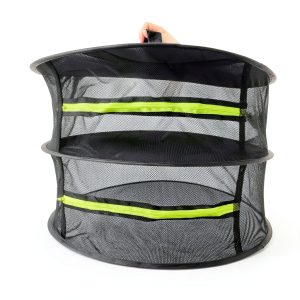
 Herb Drying Rack PROTITOUS 2-Pack with Tassels, Gold Hooks & Jute
  Natural Bamboo Indoor Plant Stand MyGift 2-Tier Desktop Shelf